


Gymnastic Rings and Core Control: What to Expect

Updated 8 October 2026
A ring push-up asks more than “can you press up?” It also asks, “can you keep those handles where you want them?”
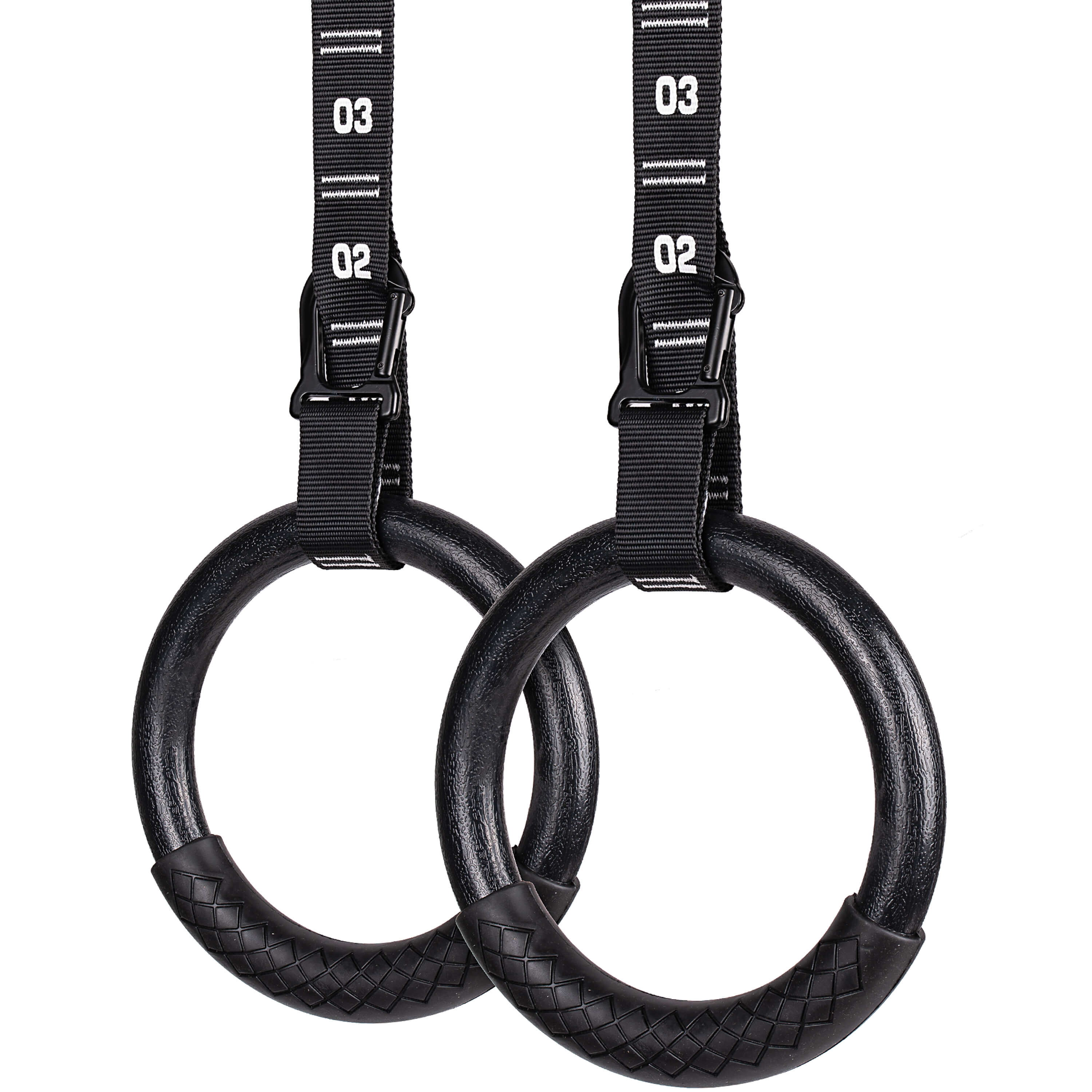
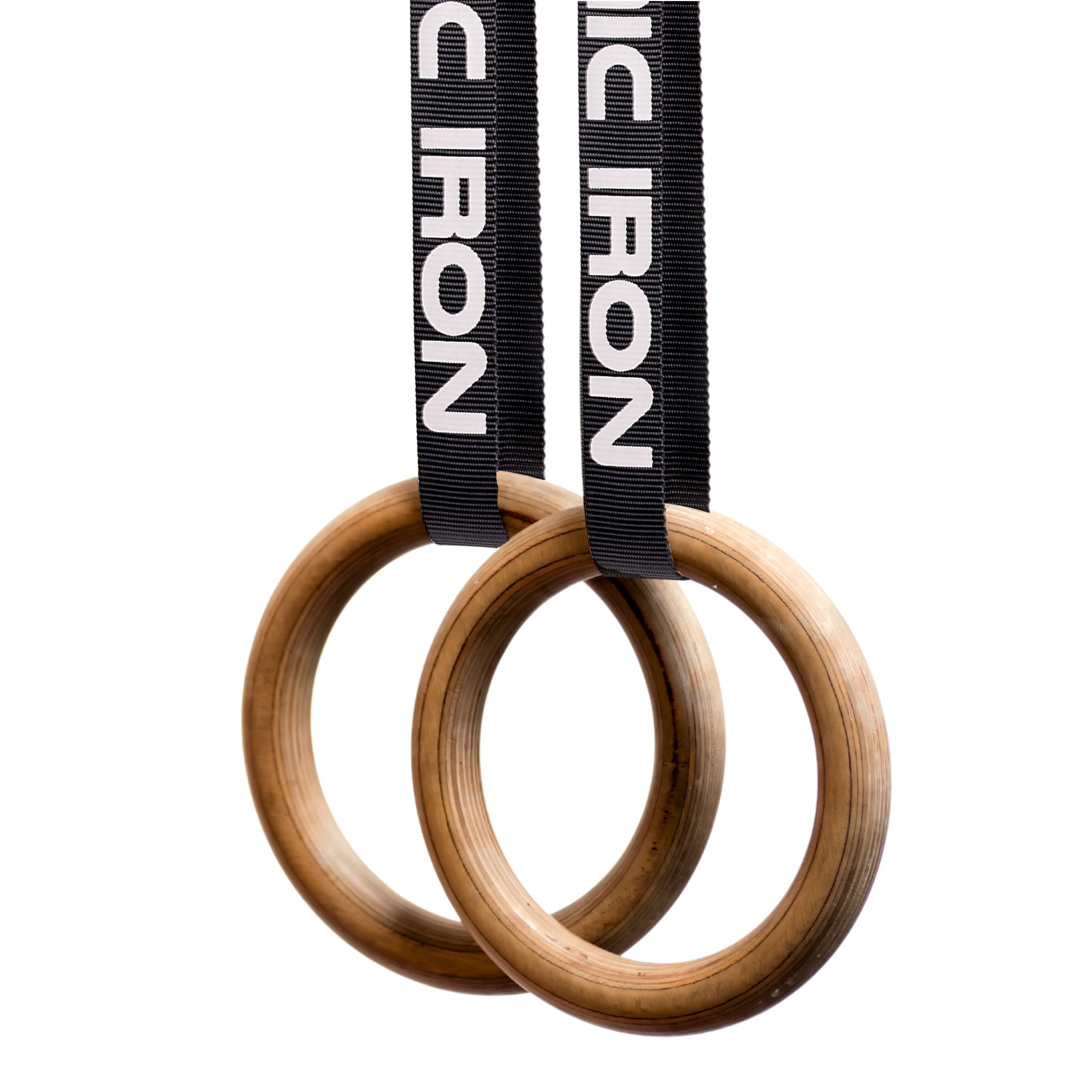
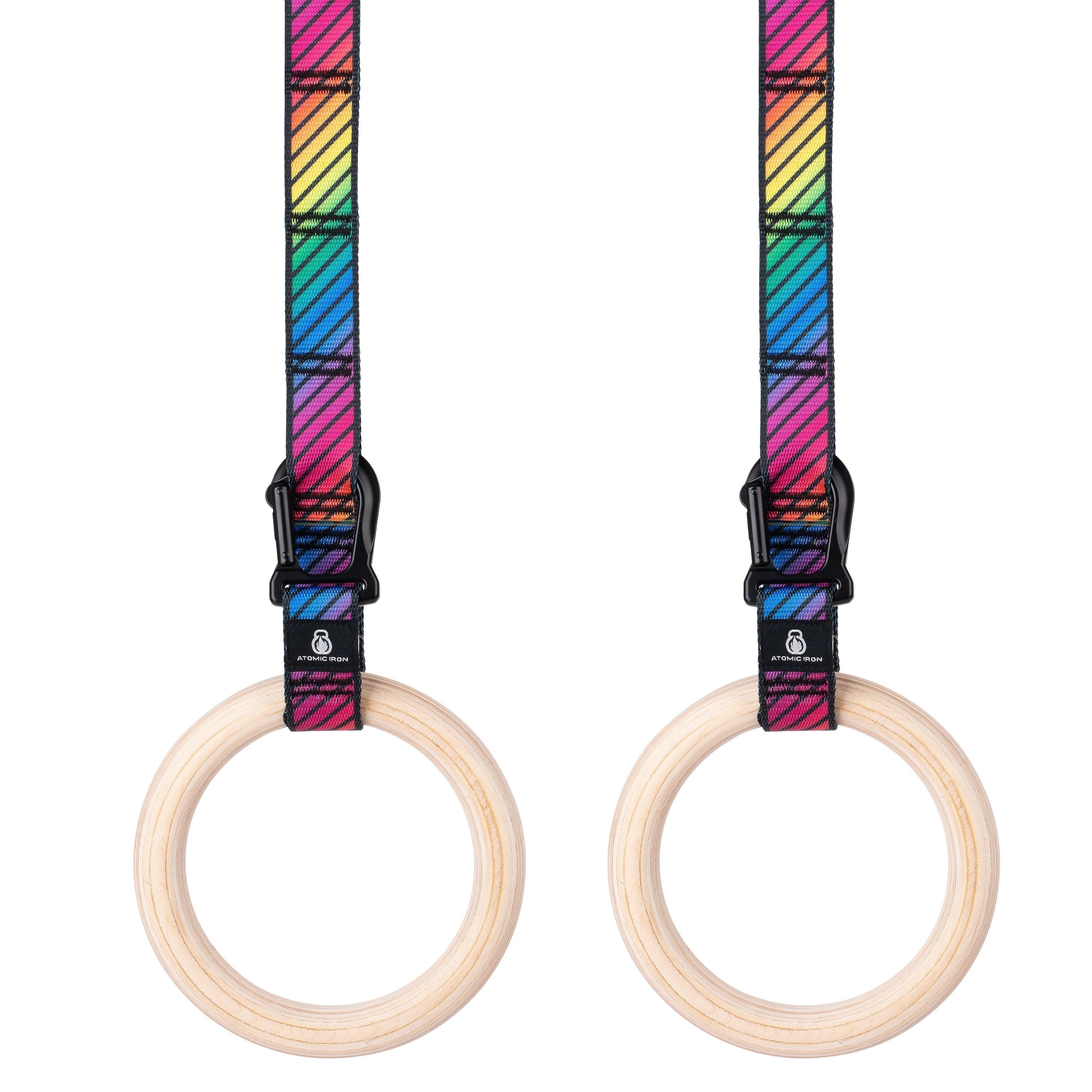
The rings can move independently. In exercises such as rows and push-ups, controlling your body position is part of the task.
What does core control mean here?
Think about keeping the trunk position required by your exercise as your arms move. The aim is a movement you can repeat with control, rather than making the rings wobble as much as possible.
Start with a manageable version
- Ring rows: begin with a more upright body angle and feet supported.
- Ring push-ups: choose a height and angle you can control.
- Progress gradually: change one part of the exercise at a time, and return to an easier version when form breaks down.
Use an attachment point intended for your exercise, follow the fitting instructions and inspect the equipment. Stop if a movement causes pain.
What this doesn’t establish
Ring training is not a guaranteed way to prevent falls, treat back pain or correct posture. Those were broader claims than this article could support. Health concerns need individual advice, not a product recommendation.
Choose the equipment for your space
For dry indoor sessions, start with our home workout buying guide. It explains grip sizes, strap systems and the space to check before ordering.
New to suspended training? Read the beginner rings guide. Prefer fixed handles on the floor? Explore what parallettes change.