


A 3 Minute History Of Gymnastic Rings
Get a quick and easy understanding of how gymnastic rings came to be, and their storied history across the world and in competition over the past 200 years.
Early 1800s - From Roman Rings To Still Rings
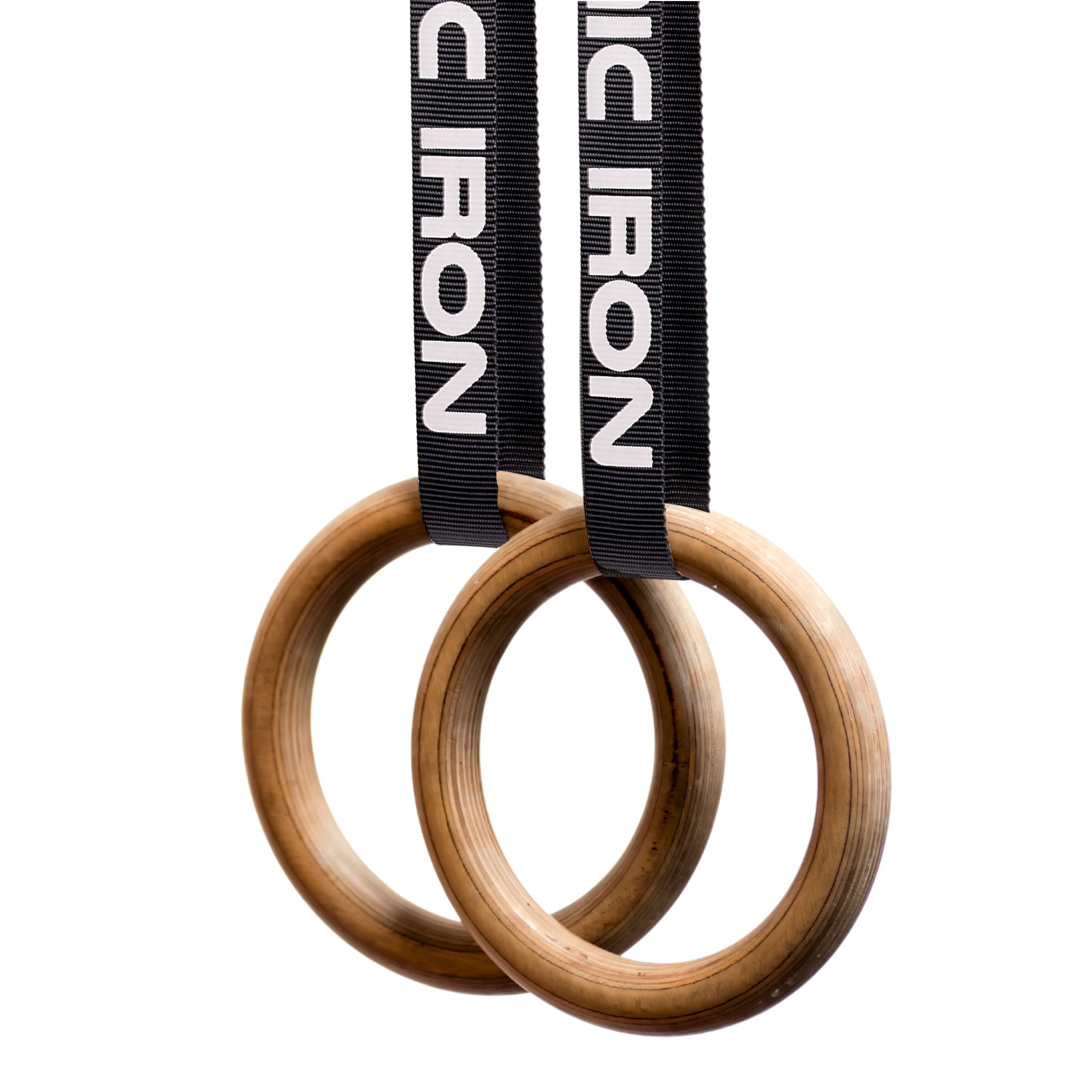
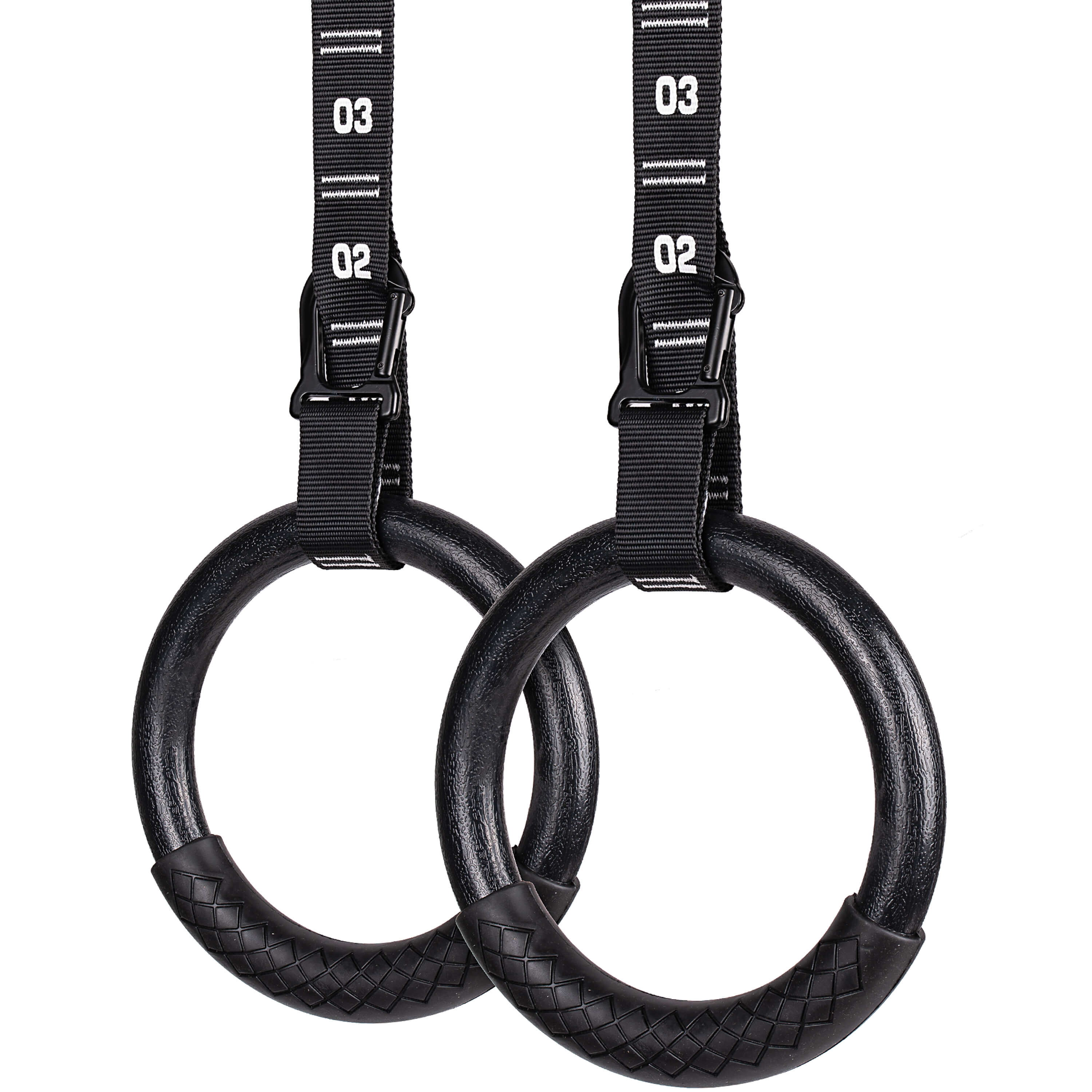
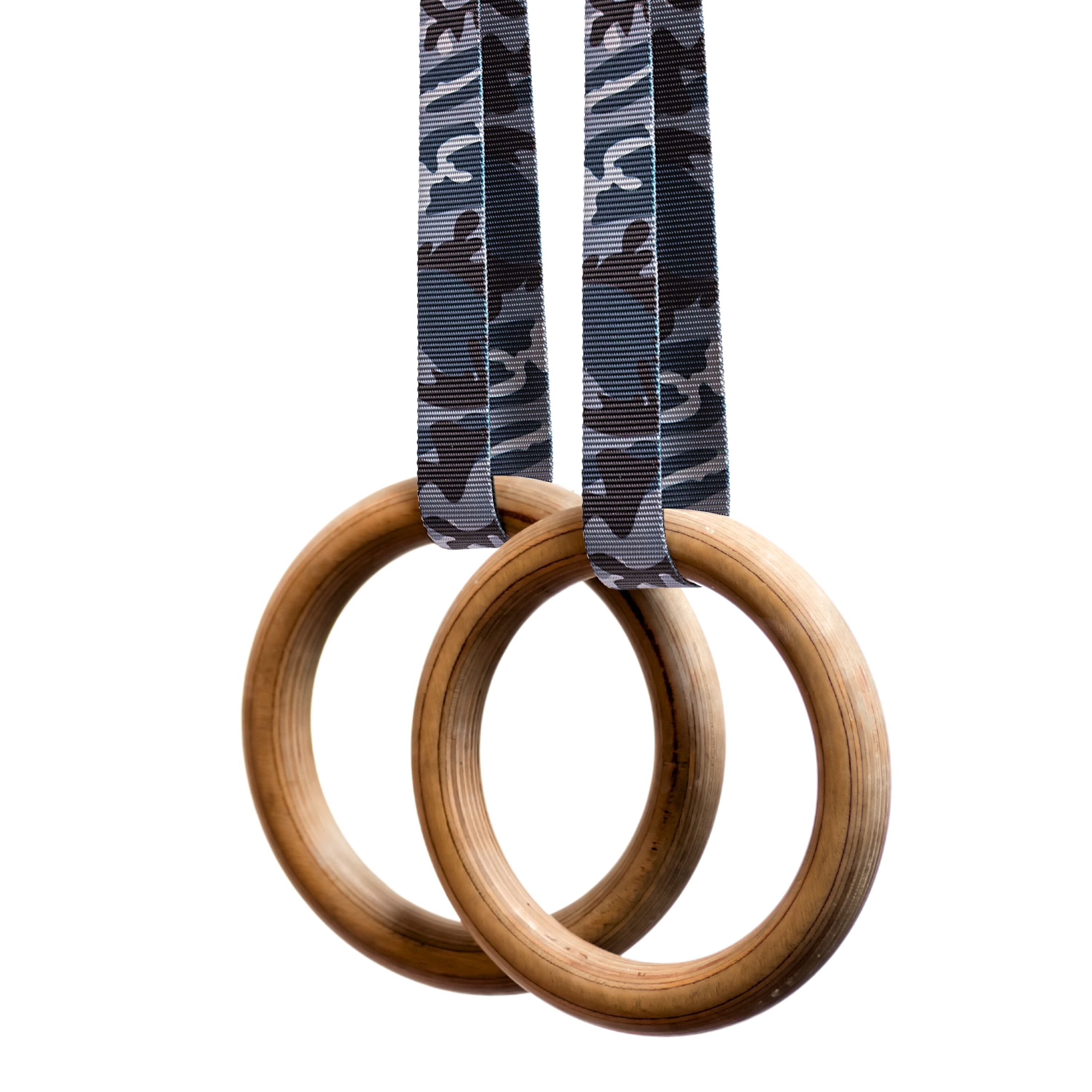
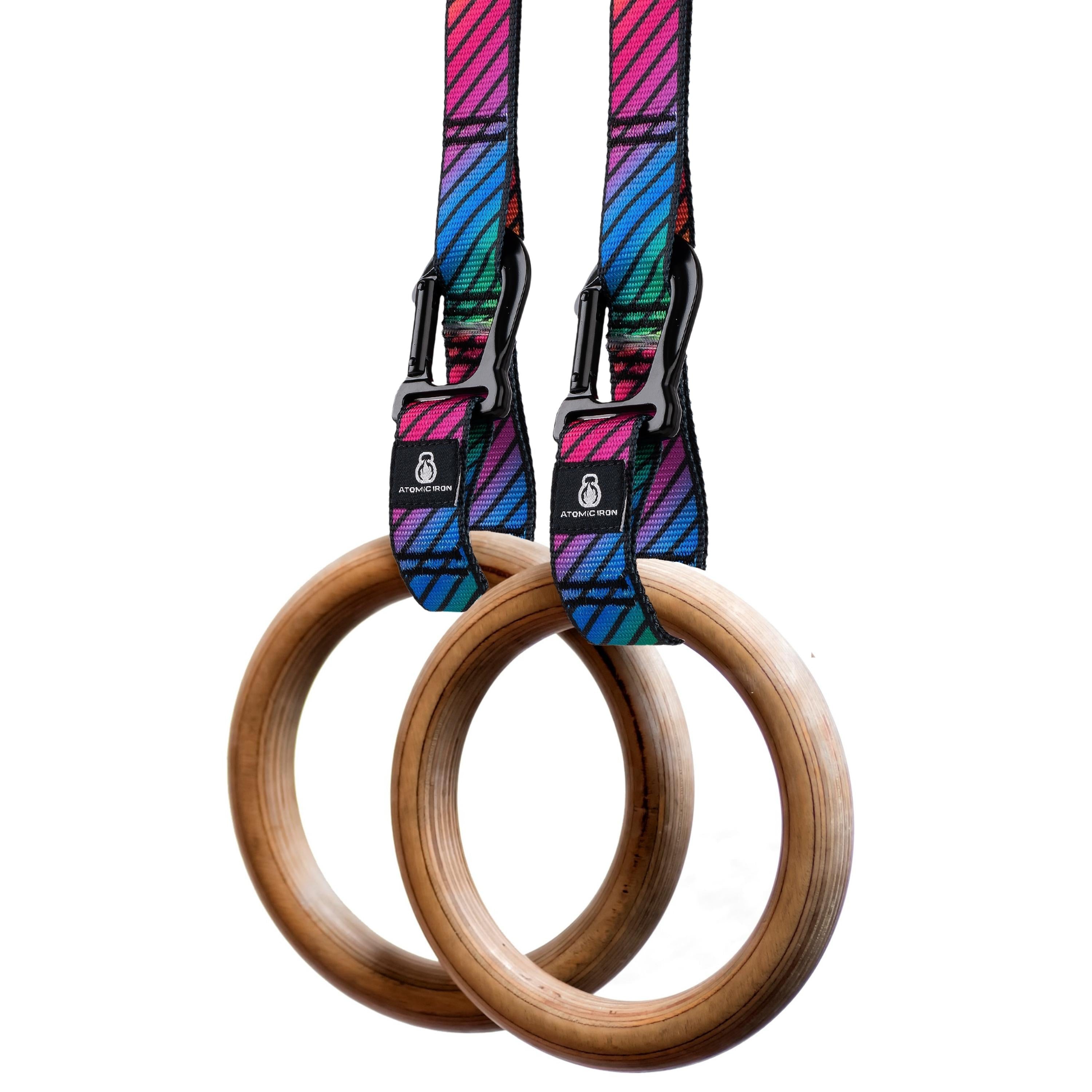
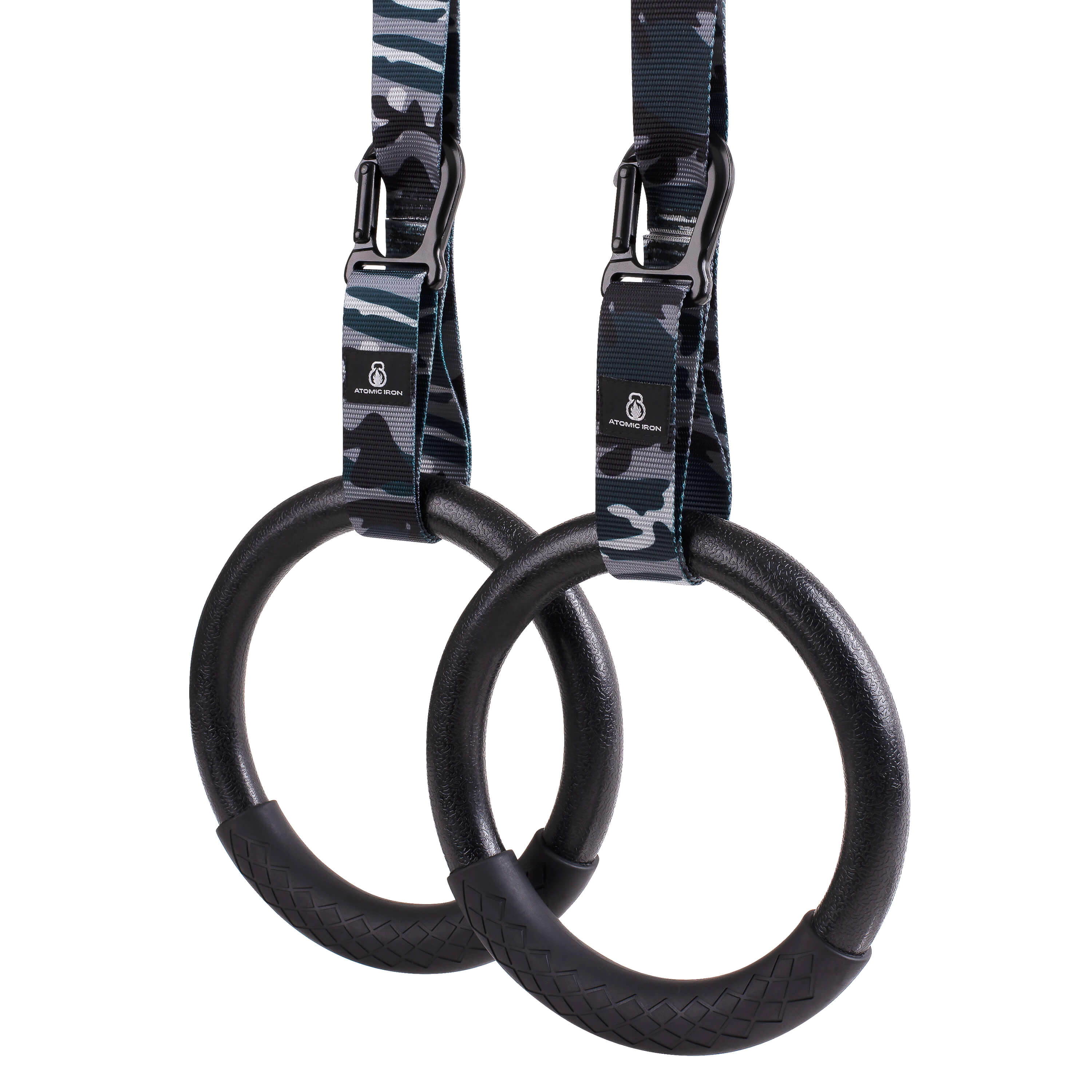
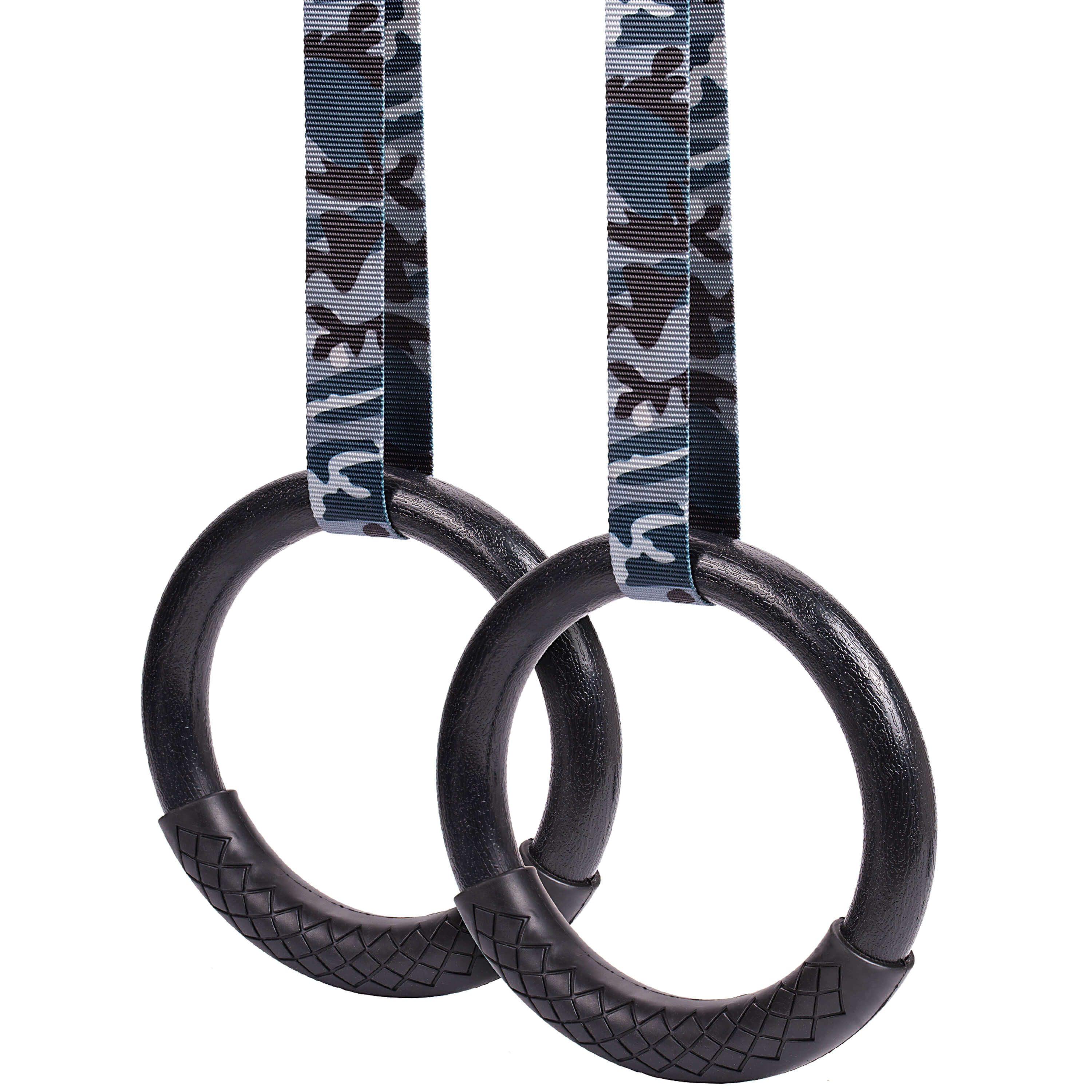
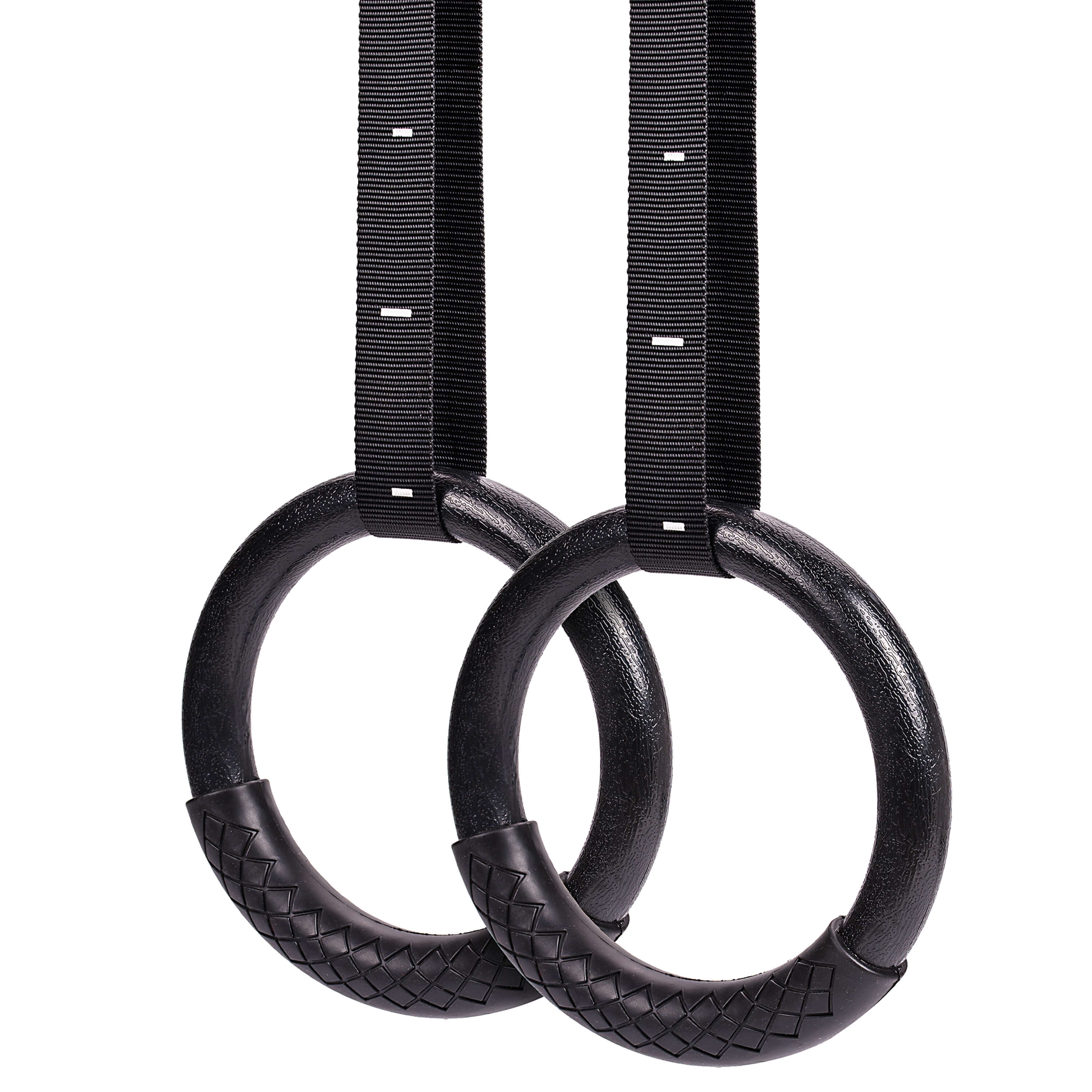
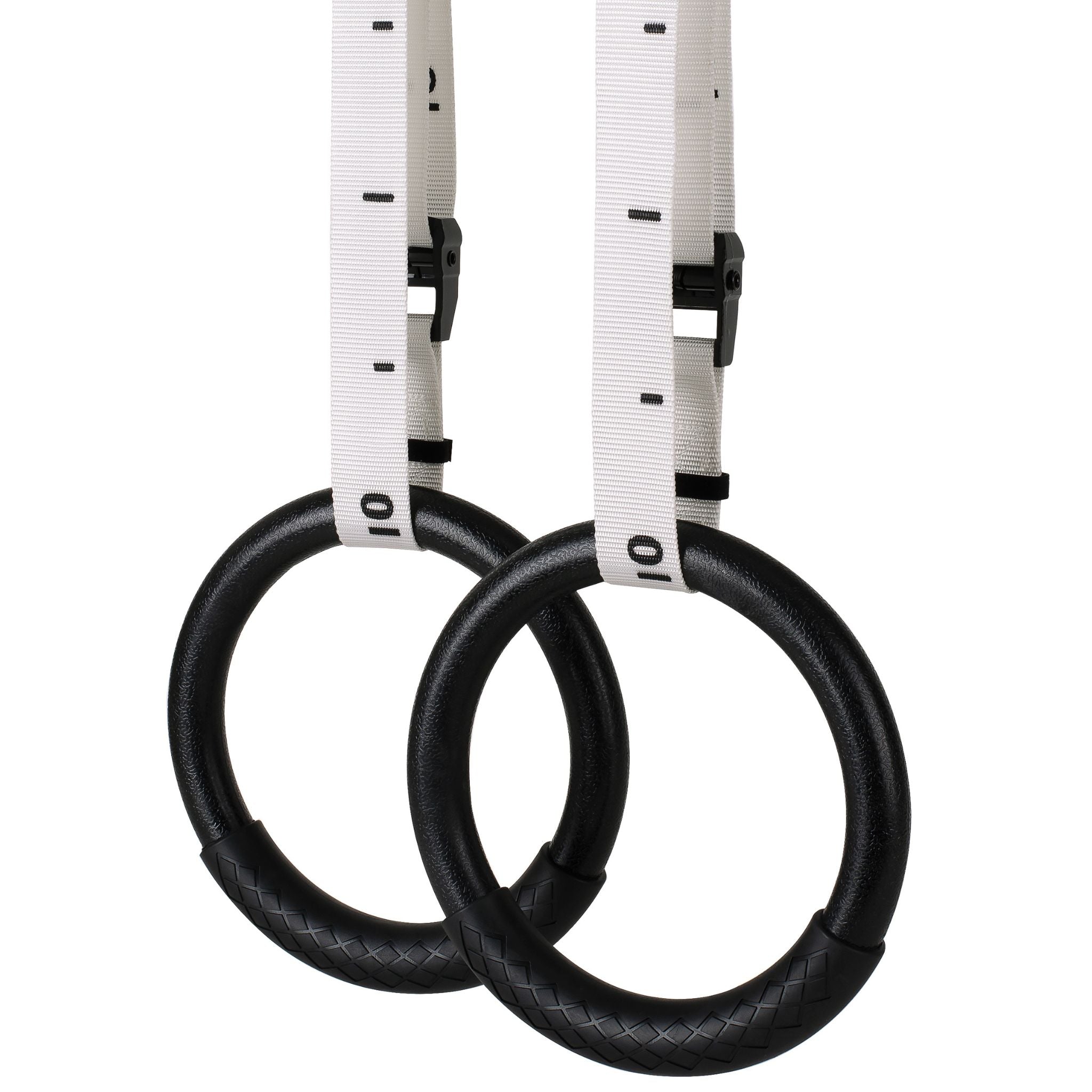
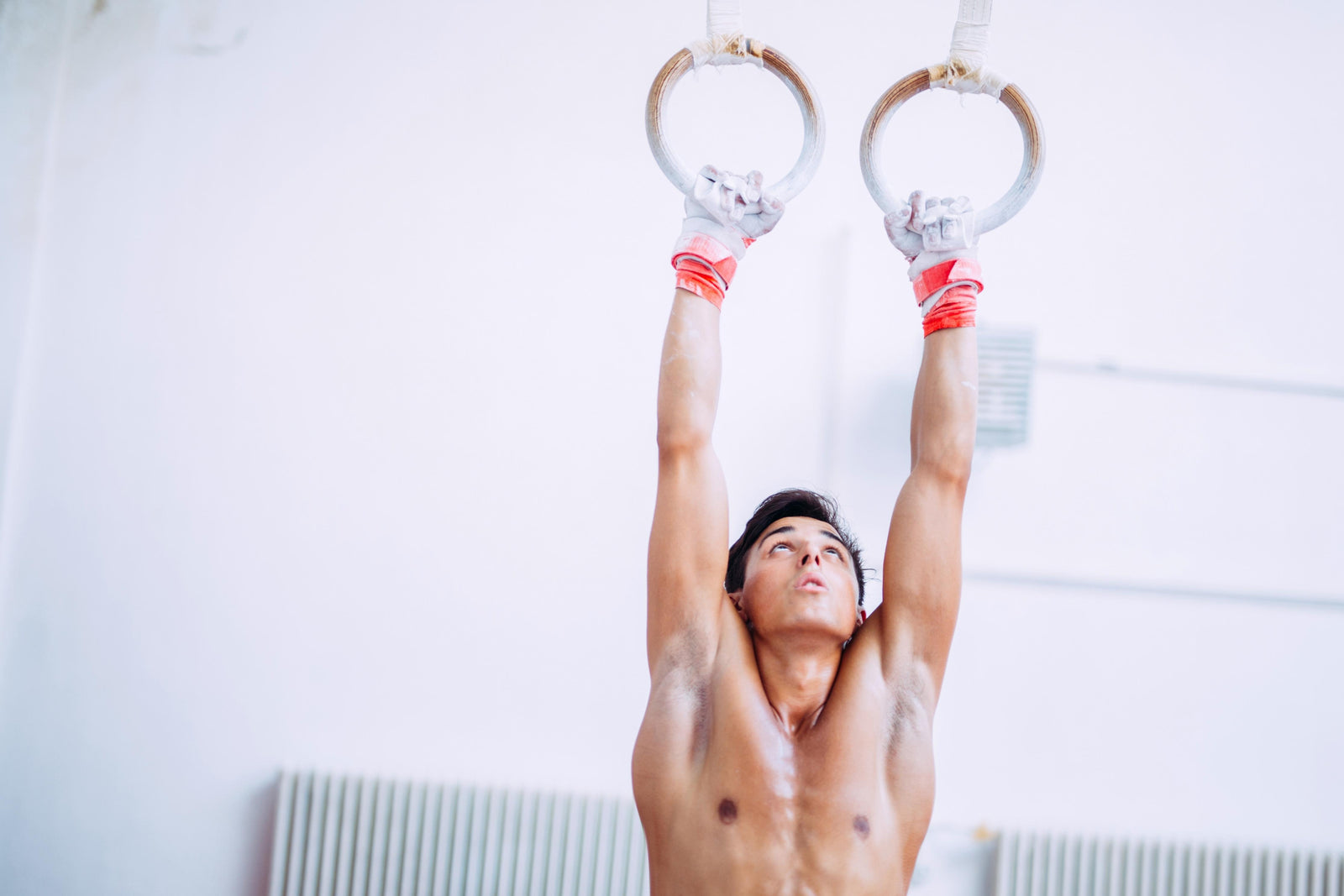
Initially called "roman rings" and originating in Italy. It isn't until the early 19th century that roman rings are developed for modern gymnastics by German Friedrich Ludwig Jahn, aka the "Father of Modern Gymnastics”. At this point, they are renamed to ‘still rings’ and consist of two small circles, suspended by straps from an overhead support.
Still rings are part of the entire sport of gymnastics, which derives its name from the ancient Greek word for ‘disciplinary exercises’. The sport combines physical skills, such as body control, coordination, dexterity, gracefulness, and strength, with tumbling and acrobatic skills, all performed in an artistic manner.
1842 - Flying Rings
Adolf Spiess develops a new type of rings, which he described as Ringeschwebel. They are originally introduced as a swinging apparatus, known as the "flying rings” and are triangular shaped. However, at a later date, circular rings replace the original version.
1860s - Gymnastic Rings Reach Australia
Gymnastic rings go global due to physical gymnastics training and instructors coming out of Europe, particularly from Sweden and Germany. Countries and their citizens, as far away as Australia, begin to have access to gymnastic rings materials and training.
Late 1800s - Flying Rings Take Off
International and USA university competitions begin to be held for the "flying rings".
1896 - Gymnastic Rings In The Olympics
Rings are a part of the gymnastics program in the first modern Olympic Games in Athens. Ioannis Mitropoulos from Greece wins the first Gold Medal in the event.
1900-1920 - Olympic Rings
The Rings individual event features in only one of five Olympic Games, only being included at the St Louis Games in 1904. For the other four Games, it is included as a component of the Men's Artistic Individual All-Around in 1900, 1908, and 1912.
1924 - Men's Rings Individual Event
Men's Rings returns as a medal event, won by Italian Francesco Martino, and has been held every Games since.
1960 - First Two-Time Gold Medal Winner
Representing the Soviet Union, Armenian Albert Azaryan becomes the first two-time gold medal winner of the Men’s Individual Rings event, winning in both Melbourne and Rome. Azaryan was voted the top Armenian athlete of the 20th century.
1961 - Flying Rings Deemed Too Dangerous
The ‘flying rings’ are removed from all university athletic competitions to be consistent with the Olympic standard. This was also due to the dangerous nature of the event as gymnasts would soar 15 feet high at the end of each swing.
1971 – 1981 - Gymnastics Evolves
The sport begins to rapidly evolve with ground-breaking movements starting to be performed by athletes all across the world. These include:
- The first ‘double stooping somersault backward’ was performed by Eberhard Gienger at the European Championships in 1971
- The first ‘double somersault forward’ was performed by Andrzej Szajna from Poland in Grenoble in 1973
- The first ‘stretched double somersault’ was performed by Nikolai Andrianov at the World Cup in Oviedo in 1977.
- The first ‘triple somersault’ was performed by Juri Korolyov at the European Champion in Rome in 1981
1996 - The Perfect Routine
Italian Jury Chechi completes the ‘perfect routine’ is awarded a score of 9.887 as he completes his crowning career achievement and one of the greatest individual routines in Olympic history to win the gold medal.
2000 - The First CrossFit Regime
CrossFit, a fitness regimen that involves constantly varied functional movements performed at high intensity, is invented by Greg Glassman in California, USA. The ‘ring muscle-up’ along with other exercises on gymnastic rings becomes a key part of the fitness program.
Today
Rings today is not only one of the most exciting and challenging events at the Olympic Games, showcasing the world’s best gymnasts, but they are also fast becoming one of the most popular ways to quickly gain muscle mass, build strength and increase fitness.
See related:
Three Amazing Moments In Olympic Rings HistoryAre Crossfit Rings The Missing Piece In Your Daily Workout
Three Celebrities You Didn't Know Use Gym Rings
7 Reasons To Start Working Out With Gymnastic Rings