


Amplifying Your Fitness Journey: Parallettes and Gymnastic Rings in Perfect Harmony
Updated 8 October 2026
Some days you want the rings to move. Some days you want the handles to stay put.
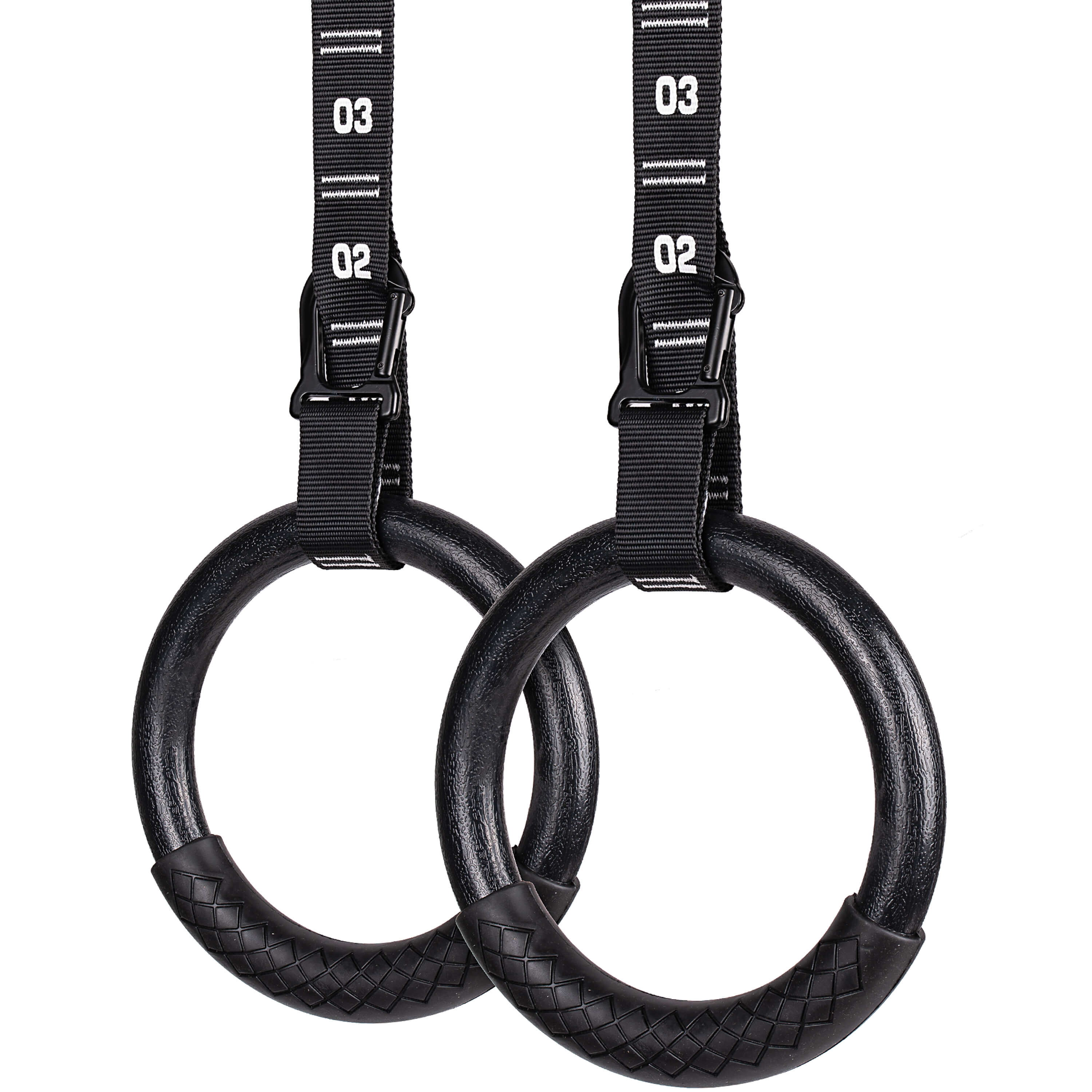
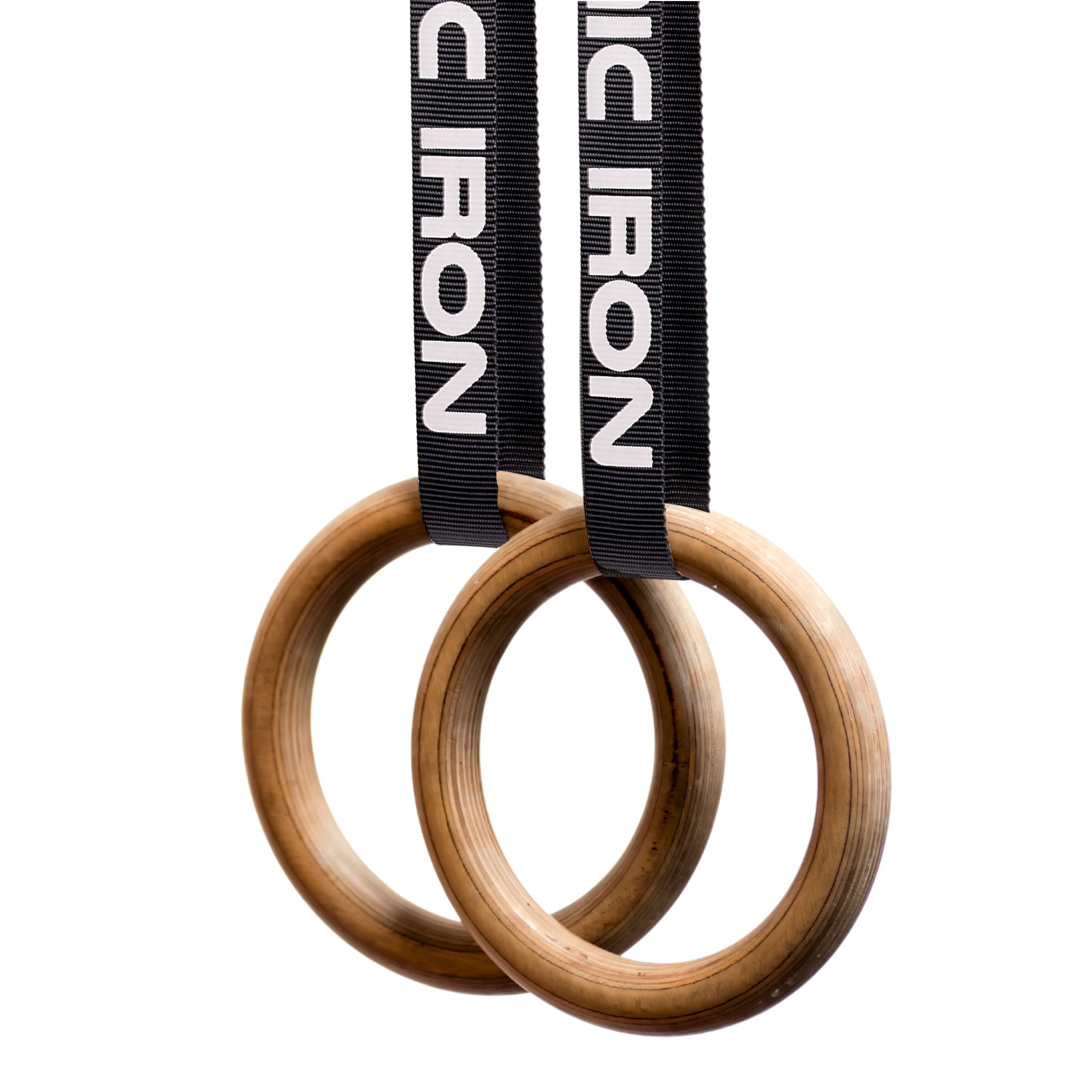
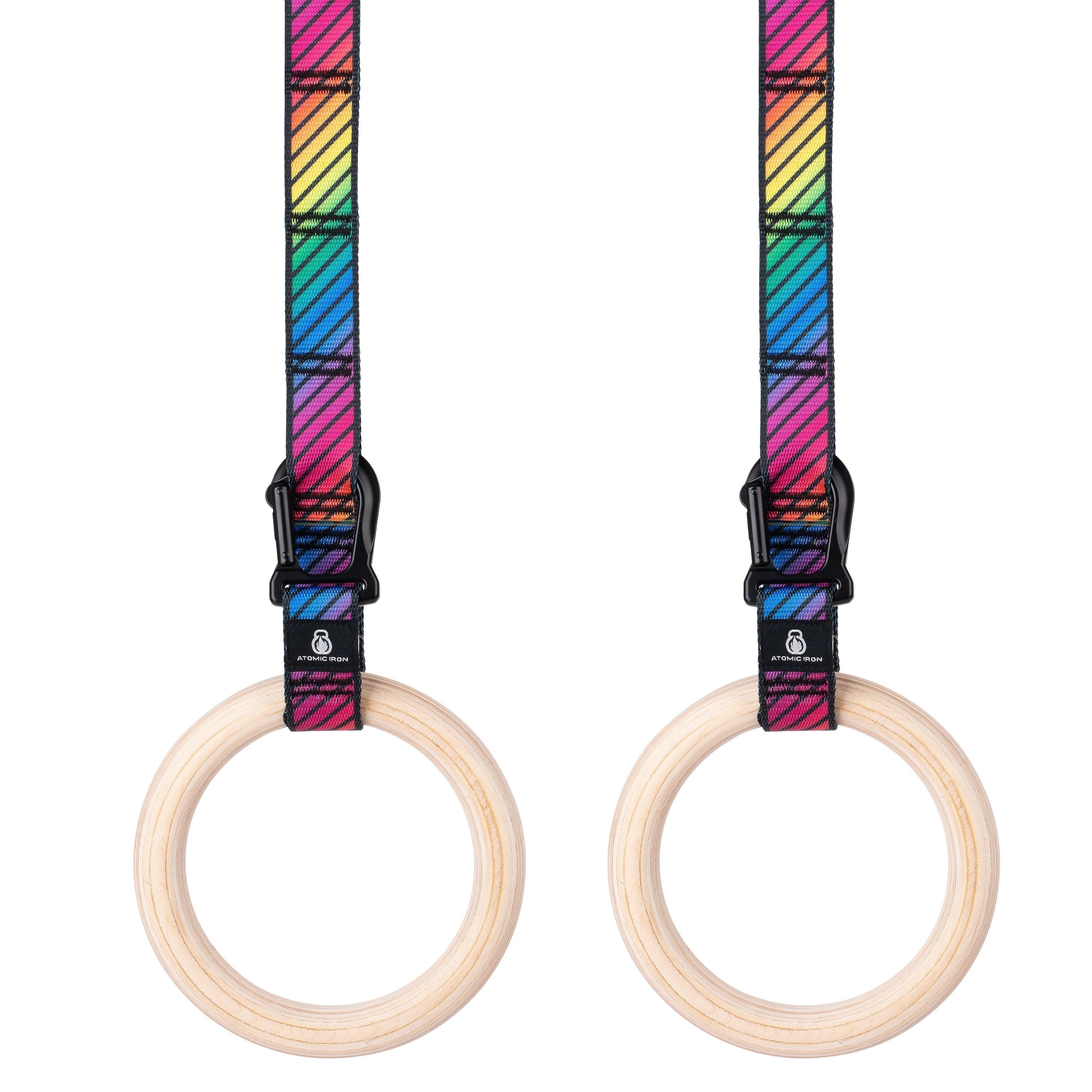
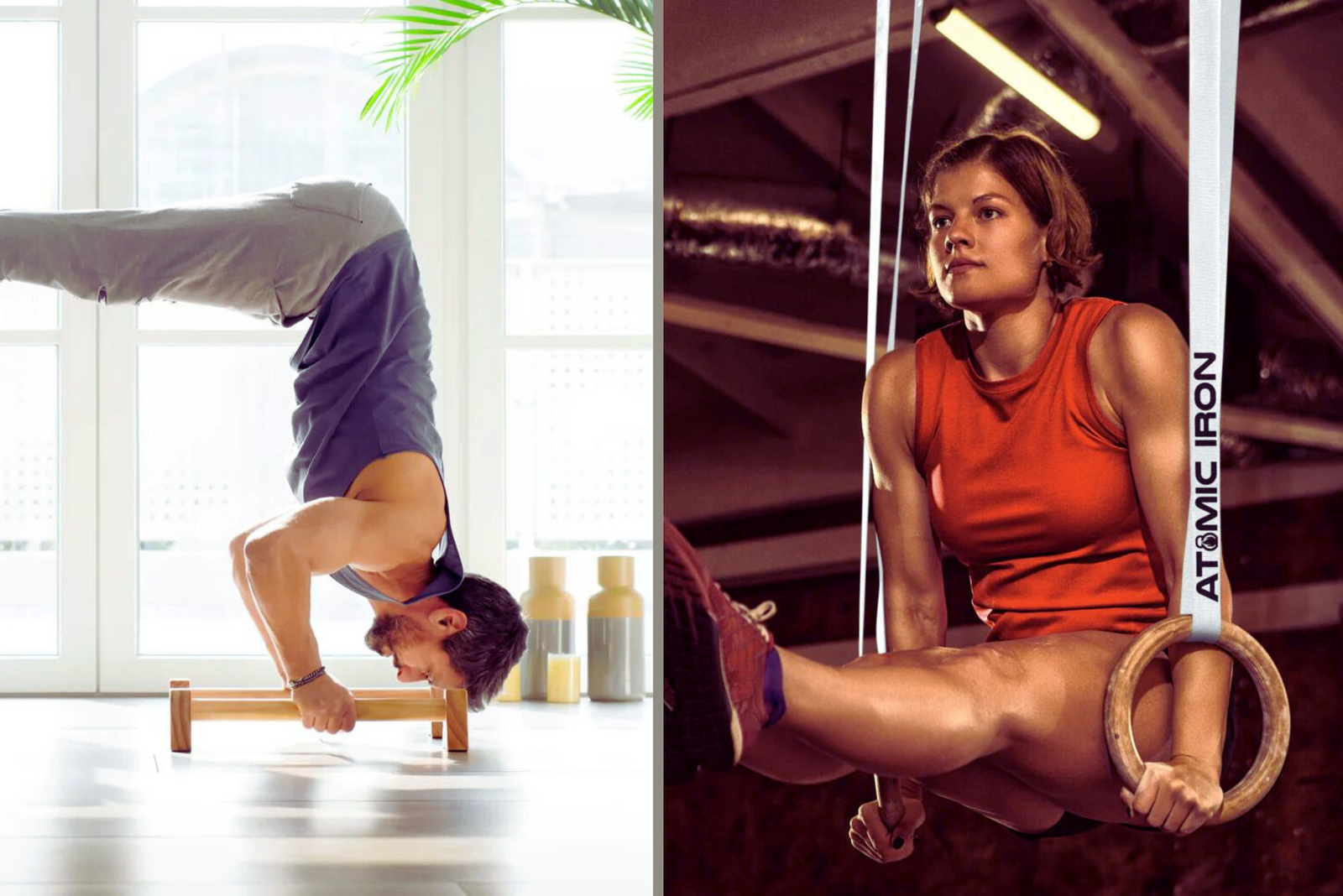
Gymnastic rings and parallettes bring different options to a compact home setup. You can build a routine around either, then add the other when it gives you something useful.
Rings · suspended work
Use adjustable ring height for rows, push-ups and other progressions. Pull-ups and dips need the right support, clearance and skill level.
Parallettes · floor work
Fixed handles for push-ups, supported holds and balance practice. No overhead anchor required, but you still need a level, stable floor and clear space.
A practical way to pair them
- Pull on rings. Start with a row variation you can control.
- Push on parallettes. Choose a manageable push-up or supported hold.
- Practise one skill. Pick a progression suited to your current ability instead of chasing every advanced movement at once.
This is a way to organise your equipment choices, not a fixed workout prescription. Adjust the exercises and effort to your experience.
Make the space work first
Rings need a suitable attachment point and room for the full exercise. Parallettes need a stable floor. Atomic Iron’s wooden pair is 10 cm high and 30 cm long, with a 4 cm bar diameter.
Buying your first setup? Start with the tool that fits the exercises and space you actually have. You can add the second later.
Explore six parallette exercises or choose your wooden ring grip size.
Check the parallette specifications →
Keep wooden equipment dry and store indoors. For outdoor ring materials, compare the outdoor range.